
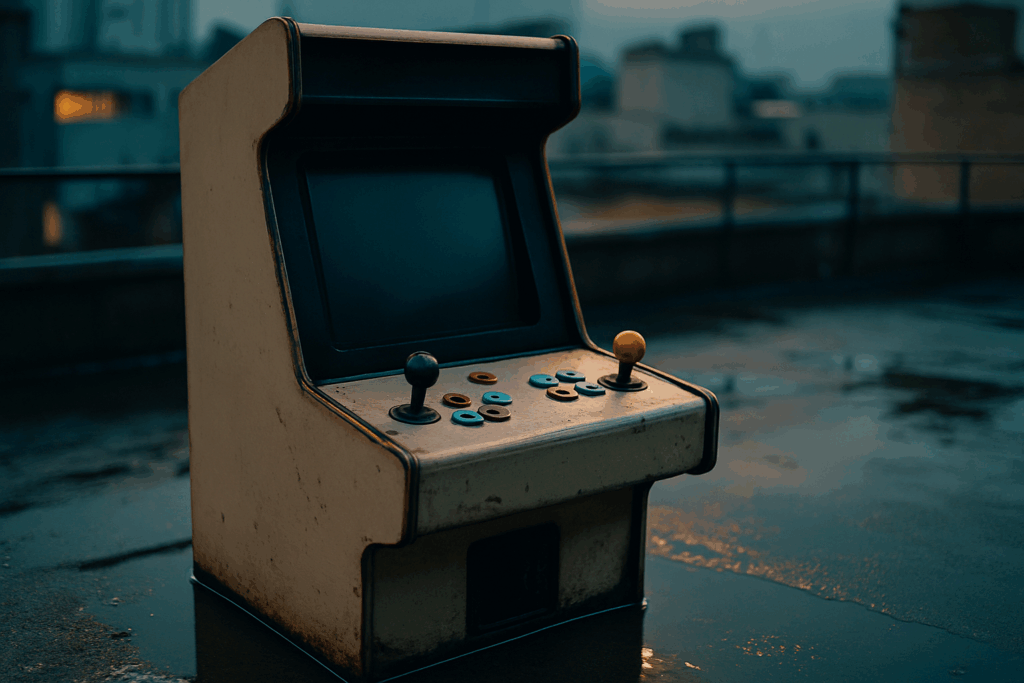
Compact Builds, Bigger Impact
Arcade machines don’t need to tower over players or dominate entire walls anymore. The modern trend is compact, modular design hardware that delivers serious performance while taking up as little space as possible. Whether it’s a converted coffee table or a half height cabinet, these setups are engineered for both function and footprint.
That shift isn’t just about saving space. Pop up arcades, traveling tournaments, and limited space venues need gear that’s easy to transport and quick to deploy. Lightweight builds with swappable modules and collapsible frames are becoming the new standard. Smaller doesn’t mean weaker, either these machines still run modern fighting games, emulated classics, and even VR hybrids without breaking a sweat.
Portability and power are a winning combo in 2024’s arcade scene. The new wave of operators and event runners want tech that’s lean and versatile, not bolted to the floor. Modular cabinets are answering that call.
HD Graphics and Retro Feels
Arcade hardware has finally caught up with modern expectations without ditching the charm. The rise of 4K compatible monitors has opened the door for ultra clean visuals, but smart developers know not to mess too much with the soul of retro gaming. That’s where scanline filters come in. They soften the pixels just enough to mimic the CRT look, marrying authenticity with clarity.
This isn’t about slapping high res screens on old tech. It’s a careful calibration. You’ve got machines that can push crisp resolution without making Contra or Metal Slug feel wrong. That matters to both purists and new players discovering arcade classics for the first time.
Nostalgia still drives a lot of the interest. But in 2024, it’s nostalgia with standards. People want their games to run buttery smooth, look slick, and still feel like the games they remember. Hardware builders are listening and the result is sharper, faster, better looking throwbacks that don’t break the spell.
Customization Takes Center Stage
Arcade machines were once static monoliths. Now, they’re canvases for creativity. Swappable control boards let players pick their preferred layout whether that’s a six button fighter setup or a retro joystick and spinner combo. RGB lighting rigs have gone from gimmick to expectation, helping each cabinet feel alive and intentionally designed. Custom cabinet skins mean an arcade machine doesn’t just play a game it represents identity.
Both individual players and arcade owners want more than just playable machines. They want control. They want personality. That’s why modding has officially moved out of the fringe: it’s not a side hobby anymore, it’s part of how the scene grows. Enthusiasts are installing better speakers, custom coin doors, even touchscreen interfaces. You don’t need to be a manufacturer anymore. You just need a screwdriver, a little patience, and a big idea.
Customization isn’t an add on. It’s the backbone of modern arcade culture.
Integrated Online Play and Leaderboards

Always Connected: Wi Fi and Ethernet by Default
Today’s arcade hardware is no longer limited to offline competition. Modern cabinets come equipped with built in Wi Fi and Ethernet connections, making network integration the new standard not the exception.
Wi Fi and Ethernet ports are expected features in newer arcade setups
Stable connectivity is essential for online play, updates, and stat syncing
Arcade builders are designing with network access in mind from the start
Online Integration Fuels Competitive Play
The competitive arcade scene is growing fast. To meet the demand for head to head gameplay and real time ranking systems, arcade machines are evolving into connected platforms.
Public arcade environments host global leaderboards and multiplayer events
Players can challenge others beyond the local arcade
Gaming hubs now act as real time eSports venues rather than isolated cabinets
Cloud Saves and Mobile Portals: Beyond the Cabinet
Players expect their progress to go with them. From linked profiles to cloud based save data, modern hardware supports continuity across multiple machines and platforms.
Game stats and profiles are stored in the cloud for easy access
Companion portals enable players to check rankings or resume games from mobile devices
Seamless experiences keep users engaged beyond the arcade floor
Explore more about how online features are shaping the arcade future in the full arcade game guide.
Hardware Built for Cross Platform Titles
Arcade gaming is no longer tied to a single platform. In 2024, the most successful hardware solutions support a mix of retro, modern, and indie titles offering total flexibility for venues and players alike.
Arcade Machines That Do It All
Today’s arcade setups are shifting away from proprietary systems and toward more universal compatibility standards. That means more options and fewer limitations.
Support for multiple software ecosystems: From MAME based retro games to modern engines supporting new releases
Use case versatility: Whether you’re a collector, an arcade bar owner, or a competitive gamer, cross platform adaptability matters
Flexibility Is the New Standard
Arcade hardware must do more than just play games it has to evolve with them. Smart modular systems empower users to seamlessly update or pivot with gaming trends.
Swap in new titles without replacing the whole system
Run everything from 8 bit classics to today’s most advanced fighting games
Select or license games through cloud libraries or built in stores
Smarter Systems Mean Smoother Management
The internal tech has seen a major upgrade. Hardware now includes tools that make content management as simple as a few clicks.
Automatic software updates keep libraries fresh and features up to date
Drop in game swap solutions let arcade operators easily rotate selections
Cloud based licenses reduce piracy and streamline arcade compliance
Arcade machines aren’t just cabinets they’re platforms. 2024’s cross compatible, smart arcade tech is all about staying adaptable without losing the authenticity players expect.
Touchscreens, Sensors, and New Interfaces
Arcade controls are no longer just sticks and buttons. The newest machines are pushing the envelope with touch panels, motion sensors, and reactive lighting all working together to make gameplay more immersive and responsive. You’re not just playing the game now; you’re stepping into it.
This isn’t just about flash. These features are opening the doors for new types of engagement. Think rhythm games that react to hand swipes, racing cabs with custom lighting feedback, or puzzle games where players tap and drag on massive touchscreens. The hardware is catching up to the storytelling.
There’s also a serious accessibility push happening behind the scenes. Audio cues, custom input mapping, and adjustable interface heights are becoming more common. Inclusive design means more players get to actually enjoy the game, not just watch from the sidelines.
The bottom line: arcades are building smarter machines not just for hardcore fans, but for everyone willing to step up and play.
For further reading, check out our arcade game guide.
Final Takeaways: Adapt or Fade Away
The arcade world isn’t what it used to be and that’s a good thing. The nostalgia factor still pulls people in, but today’s players expect more: sharper visuals, internet integration, flexible hardware. What used to run on dedicated boards is now driven by modular systems and online connectivity. Cabinets aren’t just flashy boxes they’re evolving hubs for custom gameplay, competitive interaction, and retro modern fusion.
To stay in the game, both arcade owners and hobbyists have to move fast. That means choosing hardware that can adapt over time modular parts, strong online backbones, and room for personalization. It’s less about cranking out quarters and more about offering an experience worth showing up for again and again.
But evolution doesn’t mean forgetting the past. The best machines and arcades strike a balance: bringing the joy of the old school while stepping confidently into what’s next.