
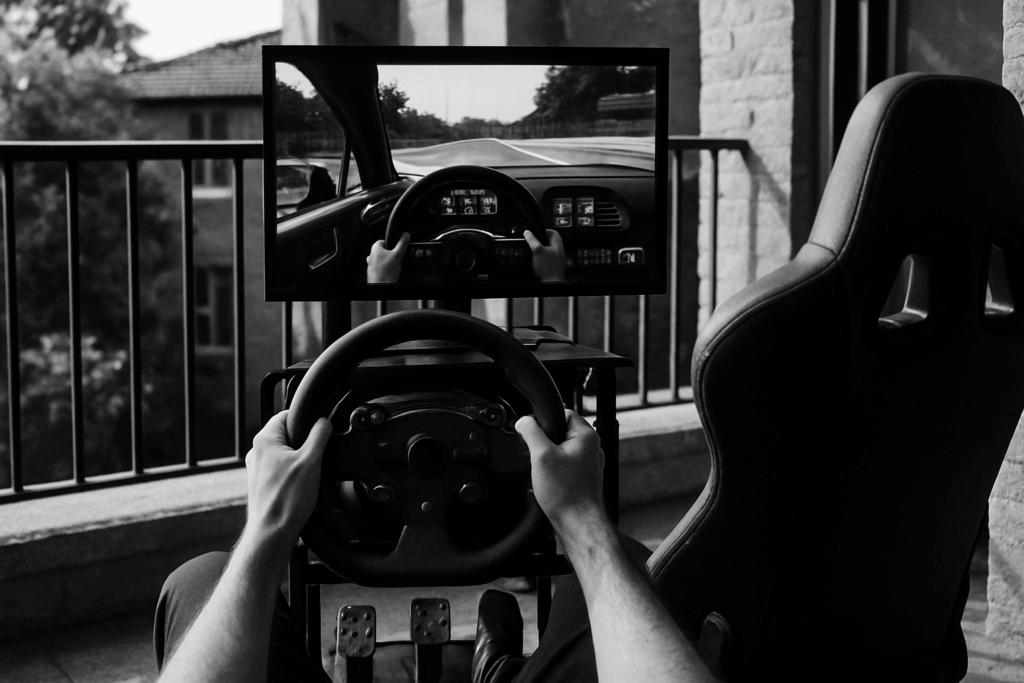
Breaking Down the Modern Training Routine
Preparing for arcade tournaments isn’t just about knowing the game it’s about conditioning your mind and body for peak performance. Today’s competitive esports players follow rigorous routines that go far beyond playing casually.
A Look Into Daily Training
A typical training day for a competitive player is structured, disciplined, and intense. Instead of endless free play, every session is designed with purpose.
Common elements of a daily routine:
Warm up sets to activate reaction time and focus
Technical drills to improve complex inputs and movement precision
Match analysis to review past games or opponents
Strategic scrims focused on specific tactics or matchups
Cooldown period to avoid fatigue and reflect on progress
Balancing Key Skills: Speed, Retention, and Endurance
Success in arcade tournaments requires more than just lightning fast hands.
Players focus on three main pillars:
Reaction time: Practicing rapid response scenarios and input precision
Memorization drills: Mapping move sets, counters, and timing windows
Stamina training: Strengthening physical and mental endurance to perform across long brackets or back to back matches
Why Physical Warm Ups Matter More Than You Think
While gaming is often associated with sitting still, competitive players understand the physical toll of high stakes play. Muscles tense, hands cramp, and posture degrades over time.
Key physical warm up routines include:
Light stretching, especially for wrists, shoulders, and neck
Finger dexterity exercises for speed and control
Breathing drills to manage nerves and endurance
These seemingly small habits often separate consistent performers from the rest.
Training for arcade esports is more holistic than ever balancing skill mastery with mental and physical resilience. If it looks effortless on screen, it’s because hours of structured prep happened off screen first.
The Role of Multiplayer Strategy
One on one matches are good for sharpening raw skill, but they’re not enough if you’re aiming to win at the highest level. Arcade tournaments aren’t just battles of reflexes they’re layered team dynamics, counter strategies, and reading your opponent five moves ahead. That’s why top tier players train in squads. Not just to scrim together, but to patch each other’s blind spots and build trust under pressure. It’s chess, played at fighting game speed.
Team sessions expose tendencies you won’t notice playing solo. You find out who freezes under pressure, who overcommits in a mix up, who can pivot mid round. It’s not about ego it’s about covering ground as a unit. You learn to rotate roles, switch support styles, and sync special timings. That kind of cohesion doesn’t come from grinding the same ranked ladder.
Scrims, short for “scrimmages,” are structured and deliberate. They’re your controlled environment. Teams test specific setups, reactions, and scenarios all without the stakes of a live arcade match. Arcade matches, in contrast, demand performance under chaotic conditions. Kids yelling. No warm up. Buttons might stick. The pressure doesn’t match practice until it’s live.
If you’re looking to upgrade your multiplayer grind, give these multiplayer practice tips a look. You’ll see what the serious players already know: solo play is just the start.
Game Specific Prep
At the top level, memorizing combos isn’t enough you need to dissect your own gameplay like a coach with game film. Custom modes help here. Players use them to recreate loss scenarios, pause mid combo, and test alternate inputs frame by frame. It’s less about brute force repetition and more about sharpening instinct through analysis.
Simulation tools have stepped up, too. Many fighters now come with built in replay functions that let you see hitbox data, frame advantage, and input lag. Some pros go deeper, running match recreations against CPU behaviors or AI trained on human patterns. If you’re not reviewing your plays, you’re not really training you’re just playing.
Then there’s the meta. It shifts with every patch. Characters get nerfed, buffs change priority windows, and tier lists update overnight. The best players don’t just train they track. They stay dialed in to patch notes, online discourse, and tournament replays. Falling behind on the meta is like sparring with the wrong opponent. Staying current means you’re always prepping for the real threat.
In short, real preparation starts when the screen fades to black and the training begins.
Mindset, Focus & Recovery
Mental resilience is just as vital as mechanical skill in competitive esports. As tournaments grow more intense, top players are investing in both focus building routines and structured recovery plans to maintain peak performance.
Mental Conditioning: Training the Brain
Winning matches often comes down to decision making under pressure. Players train their minds to stay calm, focused, and adaptable in high stress scenarios.
Key strategies include:
Visualization exercises: Mentally walking through different match scenarios to improve response time
Mindfulness and meditation: Used to clear distractions and reduce tournament anxiety
Routine mental resets: Brief activities between sessions to refocus attention and avoid mental fatigue
Simulating Tournament Pressure
There’s a difference between casual practice and pressure tested performance. That’s why players simulate real tournament environments in training.
Common techniques include:
Timed matches with crowd noise or background distractions to mimic arcade floor ambiance
High stakes scrims tracked and reviewed with teammates or coaches
Performance under watch: Recording gameplay and analyzing it later to spot tilt triggers and composure breakdowns
Why Rest Is an Essential Skill
Grinding for hours can lead to diminishing returns. Elite players treat rest with the same priority as drills. Without it, focus drops and burnout creeps in.
Rest practices include:
Scheduled off days to promote recovery and avoid overtraining
Active rest activities, like casual gaming or light physical movement, to allow decompression without full disengagement
Sleep discipline, ensuring consistent rest cycles around high stress events
Balancing mental tuning with downtime is what keeps competitors sharp from local arcades to the global stage.
Final Hours Before Competition
As tournament day arrives, preparation becomes just as mental as it is physical. The final hours before stepping into the arcade are crucial this is where precision, routine, and focus come together.
Technical Prep: No Surprises Allowed
Before a single match begins, players dive into a must have checklist:
Tech checks: Ensuring hardware, displays, and networks are functioning properly
Controller calibration: Every millisecond counts inputs must be accurate and responsive
Warm up zones: Many events provide designated stations for hand warm ups, movement drills, or skating through fast paced matches to get into rhythm
These technical rituals help stabilize performance and reduce anxiety.
Rituals & Superstitions: More Common Than You Think
No two players have the same prep rituals but nearly all have one. Whether it’s wearing a specific shirt, listening to a curated playlist, or repeating a mantra, these habits are common:
Consistent pre game routines help regulate nerves
Physical tokens or customs (like wearing a certain pair of gloves or tapping the stick a specific way) offer a sense of control
Mental triggers cue focus and flow state entry
These aren’t just quirks they’re tools meant to recreate peak performance conditions.
Strategic Walk Throughs: Mental Reps Before the Real Thing
Much like professional athletes visualize game scenarios, elite arcade gamers rehearse:
Opening matchups and stage scenarios
Opponent tendencies based on match history or scrims
Adaptation plans if momentum swings mid match
Walk throughs reduce decision making load during the match and help players stay composed in unpredictable moments.
The final hours aren’t about making leaps they’re about confirming readiness. When every second matters, prep is everything.
More Multiplayer Wisdom
No serious player trains alone. The smartest competitors build a sparring partner network: a group of players who push them, expose their habits, and keep them sharp. It’s not just about weekly matchups it’s about variety. A well rounded roster includes one player who punishes every mistake, another who plays unpredictably, and someone who mirrors your own style so you can test your limits.
The real secret? Losing. Often. The right losses teach faster than ten comfortable wins. Breaking down your defeats where you panicked, where you froze, where you guessed wrong forces smarter training. Growth comes from discomfort, not domination.
If you want a structured way to build this into your practice, revisit our curated multiplayer practice tips. There’s a method to the madness and it pays off under the lights.
 Ask Ruther Stigallions how they got into upcoming arcade game releases and you'll probably get a longer answer than you expected. The short version: Ruther started doing it, got genuinely hooked, and at some point realized they had accumulated enough hard-won knowledge that it would be a waste not to share it. So they started writing.
What makes Ruther worth reading is that they skips the obvious stuff. Nobody needs another surface-level take on Upcoming Arcade Game Releases, Arcade Gaming News, Esports Coverage in Arcade Games. What readers actually want is the nuance — the part that only becomes clear after you've made a few mistakes and figured out why. That's the territory Ruther operates in. The writing is direct, occasionally blunt, and always built around what's actually true rather than what sounds good in an article. They has little patience for filler, which means they's pieces tend to be denser with real information than the average post on the same subject.
Ruther doesn't write to impress anyone. They writes because they has things to say that they genuinely thinks people should hear. That motivation — basic as it sounds — produces something noticeably different from content written for clicks or word count. Readers pick up on it. The comments on Ruther's work tend to reflect that.
Ask Ruther Stigallions how they got into upcoming arcade game releases and you'll probably get a longer answer than you expected. The short version: Ruther started doing it, got genuinely hooked, and at some point realized they had accumulated enough hard-won knowledge that it would be a waste not to share it. So they started writing.
What makes Ruther worth reading is that they skips the obvious stuff. Nobody needs another surface-level take on Upcoming Arcade Game Releases, Arcade Gaming News, Esports Coverage in Arcade Games. What readers actually want is the nuance — the part that only becomes clear after you've made a few mistakes and figured out why. That's the territory Ruther operates in. The writing is direct, occasionally blunt, and always built around what's actually true rather than what sounds good in an article. They has little patience for filler, which means they's pieces tend to be denser with real information than the average post on the same subject.
Ruther doesn't write to impress anyone. They writes because they has things to say that they genuinely thinks people should hear. That motivation — basic as it sounds — produces something noticeably different from content written for clicks or word count. Readers pick up on it. The comments on Ruther's work tend to reflect that.