
Time Crisis Neo: Reloaded Brings the Heat
Bandai Namco didn’t just bring back a classic they overhauled it. Time Crisis Neo: Reloaded stays true to the frantic pacing and iconic foot pedal mechanics that made the original a hit. But this version adds something new to the arsenal: precision haptics, smarter enemy AI, and a two player co op mode that actually requires teamwork, not just simultaneous button mashing.
Throw in VR assisted booths, and you’ve got a real attraction especially in high traffic arcades chasing novelty that actually delivers. Players duck and lean behind real cover, guided partly by physical feedback and partly by visuals that blur the lines between game and reality.
Why does it matter in 2026? For older gamers, this is a comeback they didn’t expect but fully embrace. For Gen Z, it’s a real world gaming experience that doesn’t feel retro, just raw and immersive. It’s fast, simple to pick up, and loud in all the right ways. Time Crisis Neo isn’t chasing trends. It’s setting the bar for what a reboot should look like.
DriftZone XT Pro: Sim Racing Goes Immersive
DriftZone XT Pro isn’t just another driving game it’s a full body experience. The latest cabinets come loaded with fully hydraulic motion rigs that mimic real world G forces, paired with 8K wraparound displays that make you forget you’re still in an arcade. Every bump, drift, and swerve registers through the seat. It’s not subtle. It’s not chill. It’s the kind of intensity arcade goers line up for.
What’s pushing it even further? Online leaderboards that connect players across locations in real time. Competitive racers aren’t just gunning for high scores anymore they’re out to beat names they actually recognize. That ongoing rivalry is keeping people locked in for longer sessions, and it shows.
Arcade operators are loving it. Reports show that DriftZone XT Pro racks up longer dwell times and noticeably more swipes per visitor. It’s not a drive by play. It’s the reason people are coming back.
Retro Reboot: The 4 In 1 Cabinet Series

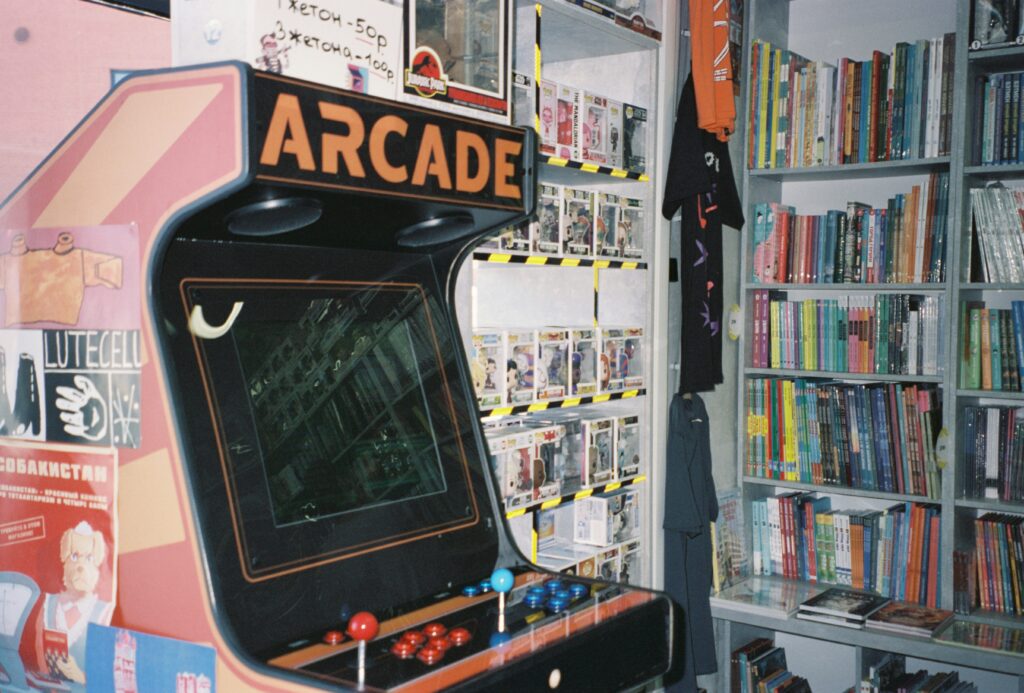
Some trends don’t need reinventing they just need polishing. The new wave of 4 in 1 arcade cabinets proves the point. Compact, stackable, and stocked with legends like Pac Man, Galaga, Dig Dug, and Joust, these machines are hitting a sweet spot somewhere between nostalgia and practicality. They don’t take up much floor space, but they pack a high recall punch.
Collectors want them for the vintage feel. Indie cafes slide them into corners to keep customers around. And retro themed malls? Jackpot. These units aren’t chasing the VR craze or motion rig hype they’re delivering what plenty of casual players actually want: plug in, press start, and go back to a time when quarters ruled the world.
If you’re wondering why retro still sells, look no further than how classic arcade franchises are making a comeback. This is old school fun served in new school form and it’s hot again.
BeatCore VR: The New Dance Revolution
Forget the old school two panel foot stomping. BeatCore VR is flipping rhythm gaming on its head this time, with full body cardio and actual choreography. Players aren’t just tapping out patterns; they’re dodging, spinning, striking poses. It’s the closest you’ll get to a dance battle crossed with HIIT, all wired into real time motion tracking.
The tech behind it isn’t just shiny; it’s smart. Haptic floor sensors vibrate with beat hits. AI generated playlists shuffle routines based on skill level, preferred styles, and even heart rate data if you’re syncing your fitness tracker. It adapts, challenges, and rewards movement that feels more like training than gaming.
The result? Fitness forward arcades love it. So do competitive dancers looking to train or flex after hours. Kids come for the lights; the grown ups stay to burn 500 calories an hour without even noticing. BeatCore isn’t just a new cabinet it’s a shift in what rhythm games can be.
Monster Mechs Showdown Elite
Forget button mashing at a stand up cab this is full body combat inside a steel cockpit. Monster Mechs Showdown Elite puts players in a dual seat battle rig, complete with next gen haptics, surround audio, and motion synced feedback that makes you feel every stomp, blast, and tail swipe.
It’s not just a sensory flex. The machine delivers serious business results. Operators report high dwell times and repeat plays, thanks to short, adrenaline packed cycles that keep queues moving while still giving players that cinematic mecha brawl payoff. It’s a showstopper the kind of cabinet people post about, drag their friends to, and wait in line for.
What’s more, 2026 brings official eSports tie ins. Competitive leagues are forming around the title, with online qualifiers feeding into live arcade tournaments. That crossover visibility is pulling in not just walk in crowds, but also online buzz and sponsorship opportunities.
For arcade owners, it hits all the right buttons: spectacle, replayability, and growing fan momentum that’s hard to ignore.
What They’re All Doing Right
Arcades that win in 2026 have one thing in common: they’ve learned how to blend old school fun with next gen hardware. It’s not about chasing trends it’s about grounding gameplay in nostalgia, then amplifying it through modern tech. Motion rigs, VR assists, and reactive floors don’t replace classic mechanics; they extend them. When you sit down at a Time Crisis booth with co op VR or feel your whole body move with DriftZone XT’s hydraulic rig, it’s clear this is legacy gameplay, evolved.
But it’s not just about screen time. The secret sauce is offering experiences you can’t easily stream or simulate on your console. Arcades today are leaning into the social and physical side of play. Competitive dancing, cockpit duels, leaderboard face offs it’s kinetic, communal, and loud in a way home setups still can’t match.
And yes, branding matters. Cabinets look sharper, logos hit harder, and operators now understand that games are content. Smart monetization from eSports tie ins to premium tier plays keeps the lights on. The games that last? They’re fun at the core, built to pull you in no matter your age or skill level. That’s what keeps the tokens dropping.
 Catherine Jeanspher writes the kind of game reviews and strategies content that people actually send to each other. Not because it's flashy or controversial, but because it's the sort of thing where you read it and immediately think of three people who need to see it. Catherine has a talent for identifying the questions that a lot of people have but haven't quite figured out how to articulate yet — and then answering them properly.
They covers a lot of ground: Game Reviews and Strategies, Esports Coverage in Arcade Games, Player Stats and Achievements, and plenty of adjacent territory that doesn't always get treated with the same seriousness. The consistency across all of it is a certain kind of respect for the reader. Catherine doesn't assume people are stupid, and they doesn't assume they know everything either. They writes for someone who is genuinely trying to figure something out — because that's usually who's actually reading. That assumption shapes everything from how they structures an explanation to how much background they includes before getting to the point.
Beyond the practical stuff, there's something in Catherine's writing that reflects a real investment in the subject — not performed enthusiasm, but the kind of sustained interest that produces insight over time. They has been paying attention to game reviews and strategies long enough that they notices things a more casual observer would miss. That depth shows up in the work in ways that are hard to fake.
Catherine Jeanspher writes the kind of game reviews and strategies content that people actually send to each other. Not because it's flashy or controversial, but because it's the sort of thing where you read it and immediately think of three people who need to see it. Catherine has a talent for identifying the questions that a lot of people have but haven't quite figured out how to articulate yet — and then answering them properly.
They covers a lot of ground: Game Reviews and Strategies, Esports Coverage in Arcade Games, Player Stats and Achievements, and plenty of adjacent territory that doesn't always get treated with the same seriousness. The consistency across all of it is a certain kind of respect for the reader. Catherine doesn't assume people are stupid, and they doesn't assume they know everything either. They writes for someone who is genuinely trying to figure something out — because that's usually who's actually reading. That assumption shapes everything from how they structures an explanation to how much background they includes before getting to the point.
Beyond the practical stuff, there's something in Catherine's writing that reflects a real investment in the subject — not performed enthusiasm, but the kind of sustained interest that produces insight over time. They has been paying attention to game reviews and strategies long enough that they notices things a more casual observer would miss. That depth shows up in the work in ways that are hard to fake.