
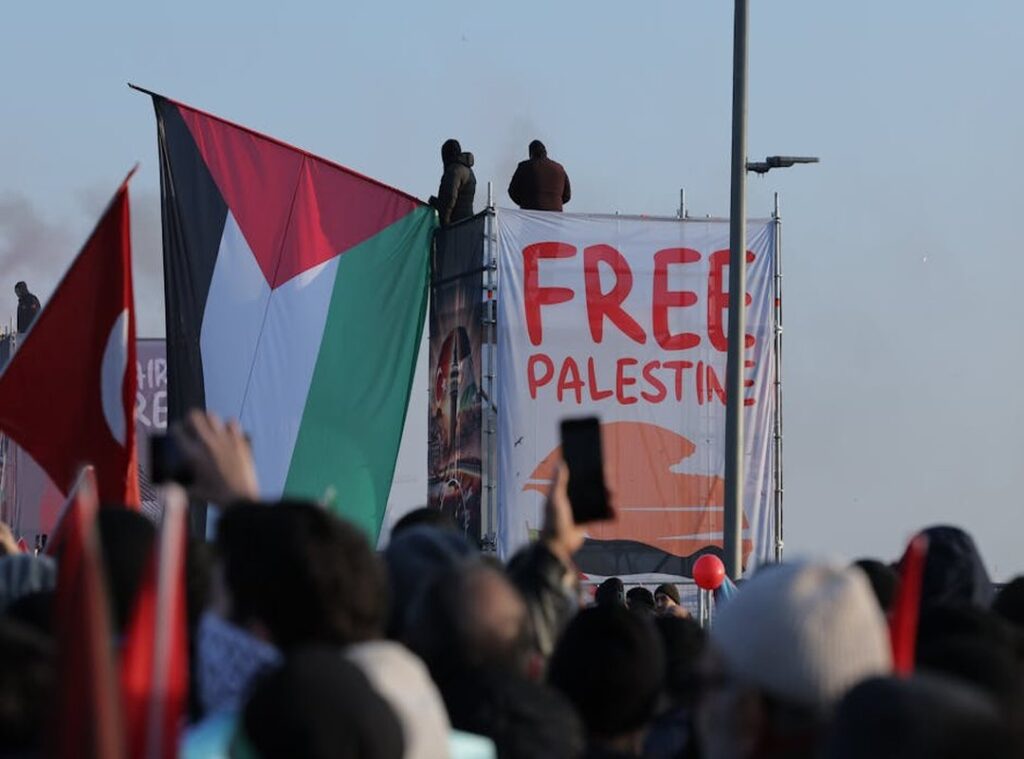
You might not expect it, but there’s a powerful fusion happening. Japanese anime aesthetics are blending with Palestinian culture and symbolism. It’s creating something unique and striking.
This article is all about exploring that emerging art style. We’ll spotlight the talented artists behind it and understand the stories they tell.
Why is this fusion significant? It’s creating a new visual language for identity, resilience, and heritage. And it’s doing so in a modern, globally recognized format.
I promise you, this journey into a vibrant and meaningful art movement is worth your time. It’s capturing attention online for good reason.
We’ll cover the key characteristics of anime gambar kartun palestina, the leading artists, and the powerful themes present in their work.
Defining the Style: Where Anime Meets Palestinian Heritage
When you blend anime and manga with Palestinian heritage, something truly unique emerges. Large, expressive eyes, dynamic action lines, and specific hair styling from anime meet distinctly Palestinian symbols and motifs.
Take a character with classic anime features wearing a keffiyeh. Or a scene featuring olive trees and tatreez (embroidery) patterns rendered in a cartoon style. These fused elements create a visual language that’s both familiar and fresh.
The color palettes used can range from vibrant and hopeful to more muted tones reflecting somber realities. This mix of colors adds depth and emotion to the artwork, making it relatable on multiple levels.
This combination creates a unique emotional tone. It’s simultaneously familiar to a global audience through anime, yet deeply rooted in a specific cultural context. You get the best of both worlds.
By blending these styles, artists can tell stories that resonate with a broader audience while staying true to their roots. It’s a way to share Palestinian culture in a format that’s accessible and engaging.
ANIME GAMBAR KARTUN PALESTINA is a perfect example of this fusion. It showcases how traditional elements can be reimagined in a modern, visually striking way.
This approach not only preserves cultural heritage but also makes it more relatable and appealing to a wider audience. It’s a win-win for both the creators and the viewers.
Spotlight on the Artists: Key Figures in the Movement
When you dive into the world of Palestinian cartoon-style anime illustrations, a few names really stand out. These artists are doing something unique, blending traditional Palestinian culture with the vibrant, dynamic style of anime. Let’s take a closer look.
Rania Al-Hroub is one of those artists. Her work is all about capturing the essence of daily life in Palestine. She uses bold, bright colors and clean lines to bring her subjects to life.
Rania’s art often features scenes from everyday life, like bustling markets and family gatherings. It’s a refreshing take that makes you feel like you’re right there in the moment.
Another artist to watch is Tariq Dajani. Tariq takes a more historical approach, focusing on key moments and figures in Palestinian history. His illustrations are detailed and rich, with a strong narrative quality.
Each piece tells a story, making history come alive in a way that’s both engaging and educational. Tariq’s work is a reminder of the importance of preserving and sharing these stories.
Then there’s Noura Al-Rawi. Noura brings a futuristic twist to her art, imagining what Palestinian culture might look like in the future. Her illustrations are full of imagination and innovation, blending traditional elements with sci-fi and fantasy.
This fusion creates a unique and captivating vision that pushes the boundaries of what we think of as traditional Palestinian art.
These artists each have their own distinct style, but they share a common thread: a deep connection to their heritage. A desire to express it through a modern, global medium. By following and supporting them, you get to see a diverse and vibrant interpretation of Palestinian culture.
You can find and support Rania, Tariq, and Noura on Instagram, Behance, and their personal websites. Their work is not just visually stunning; it’s a powerful way to connect with and understand the rich tapestry of Palestinian life and history.
Let’s talk about a specific piece. Rania Al-Hroub’s illustration Market Day is a perfect example. The scene is bustling with people, and the colors are so vivid that you can almost hear the chatter and smell the spices.
It’s a celebration of community and tradition, and it’s a piece that stays with you long after you’ve seen it.
The diversity within this movement is what makes it so exciting. Each artist brings their own perspective and style, creating a rich and varied landscape of anime gambar kartun palestina. Whether you’re an art enthusiast or just curious, there’s something here for everyone.
More Than Just Art: The Stories and Themes Being Told
When you look at anime gambar kartun palestina, it’s easy to get lost in the vibrant colors and dynamic visuals. But there’s so much more going on.
The theme of Sumud—steadfastness and resilience—is a cornerstone. Think of it like a tree standing firm in a storm. No matter how strong the winds, the roots hold tight.
This concept is brought to life through the heroic and often larger-than-life characters in the art.
- Cultural Heritage: Artists use this style to celebrate traditional clothing, food, architecture, and folklore.
- Accessibility: These elements are depicted in a way that feels both modern and accessible, making them relatable to a wide audience.
The cartoon/anime format has a unique power. It can take complex political and social realities and make them understandable. Imagine trying to explain a dense history book to a kid.
Now, picture turning that into an engaging, animated story. Which one do you think they’ll remember?
Hope and futurism are also key themes. Artists imagine a vibrant future while honoring the past. It’s like building a new house but keeping the old family photos on the walls.
This blend of the old and the new is a common trope in sci-fi anime,. It’s repurposed here to create a vision that resonates with people from all walks of life.
In a world where technology is constantly evolving, these stories find new ways to connect with audiences. (Think about how modern gaming experiences are being redefined by tech.) The same can be said for this art form. It’s not just about the visuals; it’s about the stories and the messages they carry.
The Cultural Significance of a Global Fusion
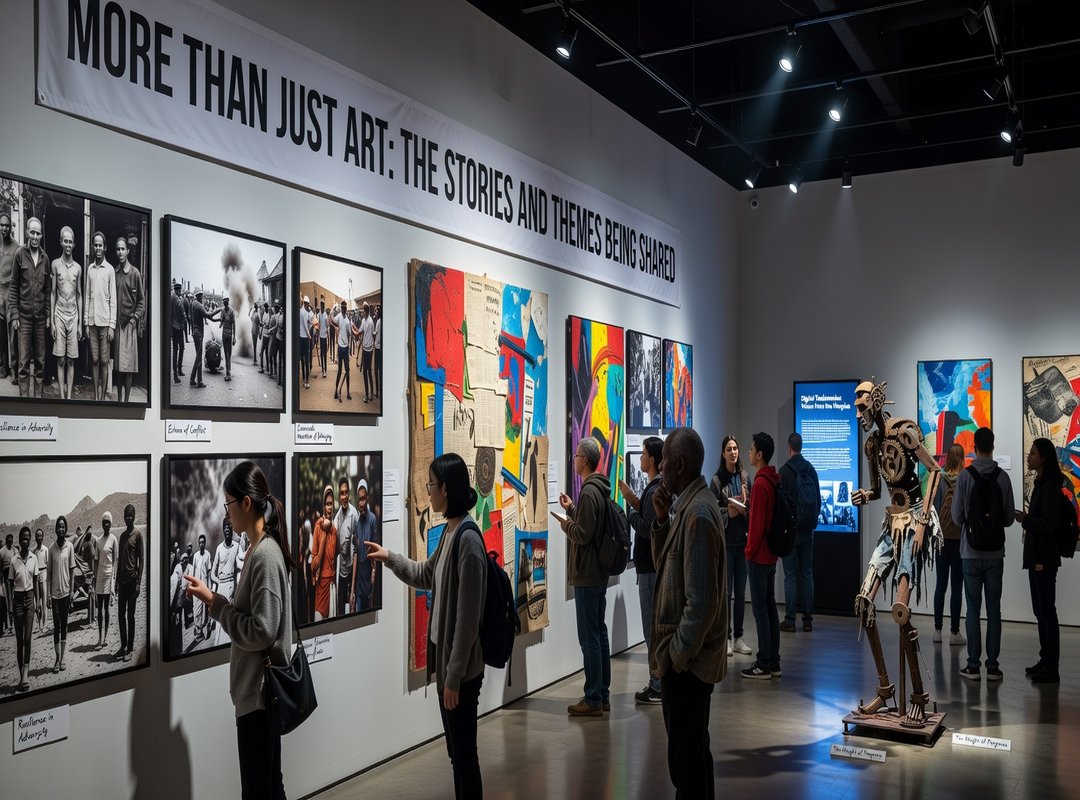
The fusion of Palestinian and Japanese art forms is particularly impactful. It’s not just about mixing two styles; it’s about creating something that resonates on a deeper level.
This blend allows a new generation to connect with their heritage using a visual medium they’ve grown up with and love. Think about anime gambar kartun palestina. It’s a perfect example of how traditional stories and themes can be reimagined in a modern, relatable way.
| Aspect | Impact |
|---|---|
| Cultural Connection | New generations engage with heritage through familiar art. |
| Self-Representation | Challenges monolithic Western media portrayals. |
It challenges the monolithic portrayals often seen in Western media. By adopting and adapting the anime style, artists can represent themselves and their cultures authentically. This self-representation is crucial for breaking stereotypes and fostering understanding.
Cross-cultural solidarity is another key aspect. The adoption of the anime style builds a bridge between different cultures. It creates a shared appreciation for the art form, uniting people from diverse backgrounds.
This movement is a powerful example of culture evolving and adapting. It shows how new forms of expression can emerge when different traditions come together.
The Enduring Power of Illustrated Identity
Palestinian anime illustration is a distinct and growing art movement that blends global pop culture with deep cultural heritage. This style serves as a powerful tool for storytelling, identity, and connecting with a worldwide audience. Artists are creating a new visual archive of their culture, filled with resilience, beauty, and hope.
Seek out and share the work of these artists, and pay attention to this vibrant and meaningful corner of the art world.
 Catherine Jeanspher writes the kind of game reviews and strategies content that people actually send to each other. Not because it's flashy or controversial, but because it's the sort of thing where you read it and immediately think of three people who need to see it. Catherine has a talent for identifying the questions that a lot of people have but haven't quite figured out how to articulate yet — and then answering them properly.
They covers a lot of ground: Game Reviews and Strategies, Esports Coverage in Arcade Games, Player Stats and Achievements, and plenty of adjacent territory that doesn't always get treated with the same seriousness. The consistency across all of it is a certain kind of respect for the reader. Catherine doesn't assume people are stupid, and they doesn't assume they know everything either. They writes for someone who is genuinely trying to figure something out — because that's usually who's actually reading. That assumption shapes everything from how they structures an explanation to how much background they includes before getting to the point.
Beyond the practical stuff, there's something in Catherine's writing that reflects a real investment in the subject — not performed enthusiasm, but the kind of sustained interest that produces insight over time. They has been paying attention to game reviews and strategies long enough that they notices things a more casual observer would miss. That depth shows up in the work in ways that are hard to fake.
Catherine Jeanspher writes the kind of game reviews and strategies content that people actually send to each other. Not because it's flashy or controversial, but because it's the sort of thing where you read it and immediately think of three people who need to see it. Catherine has a talent for identifying the questions that a lot of people have but haven't quite figured out how to articulate yet — and then answering them properly.
They covers a lot of ground: Game Reviews and Strategies, Esports Coverage in Arcade Games, Player Stats and Achievements, and plenty of adjacent territory that doesn't always get treated with the same seriousness. The consistency across all of it is a certain kind of respect for the reader. Catherine doesn't assume people are stupid, and they doesn't assume they know everything either. They writes for someone who is genuinely trying to figure something out — because that's usually who's actually reading. That assumption shapes everything from how they structures an explanation to how much background they includes before getting to the point.
Beyond the practical stuff, there's something in Catherine's writing that reflects a real investment in the subject — not performed enthusiasm, but the kind of sustained interest that produces insight over time. They has been paying attention to game reviews and strategies long enough that they notices things a more casual observer would miss. That depth shows up in the work in ways that are hard to fake.