
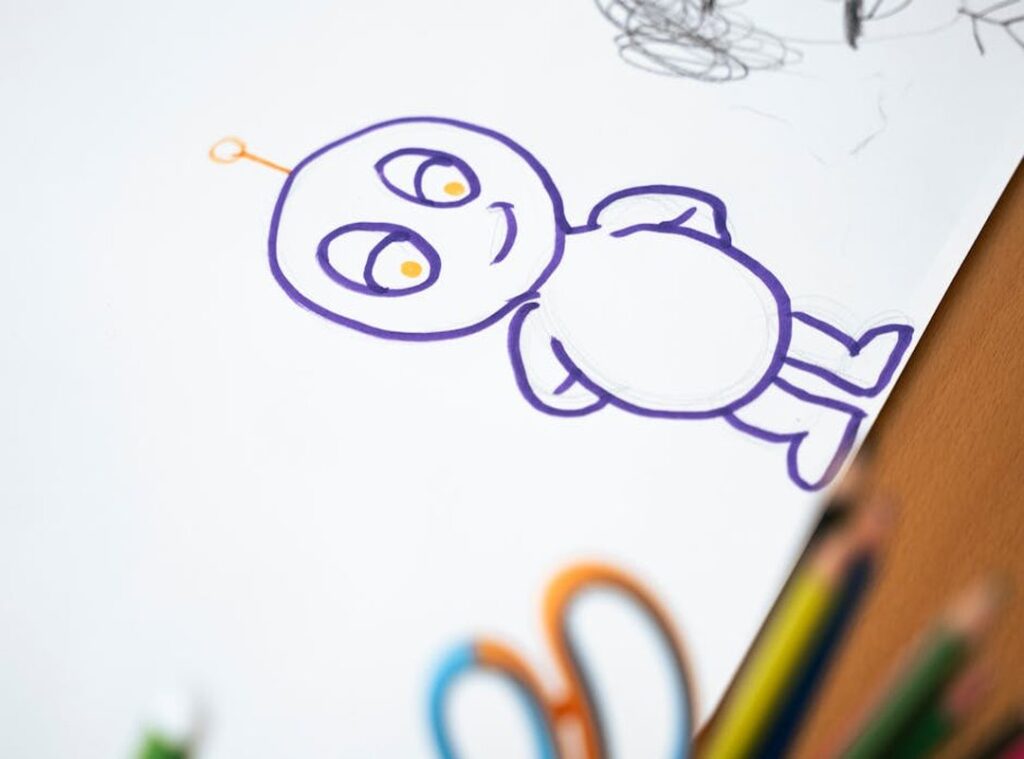
Drawing can be tough, especially when you’re just starting out. You might have all these ideas in your head but struggle to get them on paper. That’s where helpot piirustus mallit come in.
They make it easier for both beginners and experienced artists to create something beautiful.
Do you find yourself staring at a blank page, not knowing where to start? Trust me, I’ve been there. These templates can help you get over that initial hump.
I’ve done my homework. This article is based on real feedback from the art community. So, you can trust that the advice here is practical and actionable.
In this article, I’ll guide you through the best easy drawing templates and how to use them effectively. Let’s dive in.
Understanding Easy Drawing Templates
Drawing templates. They’re like a cheat code for artists, but in a good way. helpot piirustus mallit can be a lifesaver, especially if you’re just starting out.
Templates are pre-designed shapes or outlines that you can use to create your drawings. They help with consistency and accuracy.
Why use them? Well, they save time. You don’t have to spend hours perfecting a circle or a square.
Just grab a template and go.
There are different types of templates. Geometric shapes, animals, landscapes—you name it. Each one serves a specific purpose.
Geometric shapes are great for precision. Animals and landscapes, on the other hand, can help you get the proportions right.
Using templates can also boost your confidence. When you see a well-drawn shape, it feels good. It motivates you to keep going.
They’re not just for beginners, either. Even experienced artists use templates to speed up their work. It’s all about efficiency.
So, if you’re looking to improve your drawing skills, give templates a try. They might just be the tool you need.
Choosing the Right Drawing Template
First things first, you need to figure out what you want to achieve with your drawings. Are you practicing a specific skill, or do you have a particular project in mind? Knowing this upfront will help you narrow down your options.
Identifying Your Needs
Think about it. Do you need templates for basic shapes, complex figures, or something in between? (It’s okay if you’re not sure yet; we’ll get there.)
Quality and Variety
When picking templates, look at the clarity and variety. You want something that’s easy to use and offers a range of options. User reviews can be super helpful here.
They give you a real sense of what other artists think.
- Clarity: How clear and detailed are the templates?
- Variety: Do they offer a wide range of options?
- User Reviews: What do other artists say?
Free vs. Paid
Now, let’s talk about free versus paid templates. Both have their pros and cons.
- Free Templates:
- Pros: No cost, great for beginners, and easy to find.
-
Cons: Limited variety, lower quality, and less support.
-
Paid Templates:
- Pros: Higher quality, more variety, and better support.
- Cons: Cost, and you might not need all the features.
Where to Find Them
You can find free templates on community forums and art websites. For paid ones, check out reputable online marketplaces and specialized art stores. (Just make sure to read the fine print and user reviews.)
In the end, it’s all about what works best for you. If you’re just starting out, free templates might be the way to go. But if you’re serious about your art, investing in a good set of paid templates can really pay off.
Remember, the right template can make a big difference. So, take your time, and choose wisely. And hey, if you’re into Finnish, you might even find some great helpot piirustus mallit out there.
Using Drawing Templates Effectively
You know, I was talking to a friend the other day, and they said, “I wish I could draw better, but I don’t know where to start.” That’s where drawing templates come in. They’re a great way to get your feet wet without feeling overwhelmed.
Step-by-Step Guide: How to Use a Template for Tracing and Practicing
- Choose Your Template: Pick a template that matches your skill level and interests.
- Print or Trace: Print the template or place it under your drawing paper and trace the outlines.
- Practice Regularly: Set aside time each week to practice with different templates.
It’s as simple as that. You don’t need to be a pro to start using templates. Just dive in and see what works for you.
Customization: Tips for Modifying Templates to Fit Your Style and Needs
Sometimes, the templates you find might not exactly match your style. No problem. You can always tweak them.
For example, if you’re into helpot piirustus mallit, you can simplify the lines and shapes to make them more your own.
One artist I spoke with said, “I like to add my own little touches. It makes the drawing feel more personal.” So, don’t be afraid to experiment. Add your own details, change the proportions, or even mix and match elements from different templates.
Practice Makes Perfect: How to Integrate Templates into Your Regular Drawing Routine
Consistency is key. Make it a habit to use templates regularly. Even if it’s just 10 minutes a day, it adds up.
Another artist told me, “I started using templates every day, and now I feel much more confident in my freehand drawings.”
So, set a schedule and stick to it. Maybe it’s every morning before work or every evening after dinner. Find a rhythm that works for you.
If you want to learn more about how to integrate templates and other drawing techniques into your routine, check out Hstatsarcade. They’ve got a lot of resources and tips that can help you on your drawing journey.
Top Easy Drawing Templates for Beginners
If you’re just starting out with drawing, using templates can be a huge help. They give you a solid foundation to build on and make the process a lot less intimidating.
Basic Shapes: Templates for circles, squares, triangles, and other basic shapes. These are great for getting a feel for proportions and symmetry.
Animals: Simple templates for common animals like cats, dogs, and birds. These can help you capture the essence of different creatures without getting bogged down in details.
Landscapes: Basic templates for trees, mountains, and simple scenes. Perfect for practicing perspective and creating a sense of depth in your drawings.
Using these helpot piirustus mallit can boost your confidence and help you develop your skills faster. You’ll find that as you practice, you’ll start to see improvement in your freehand drawing too.
Advanced Drawing Templates for Experienced Artists
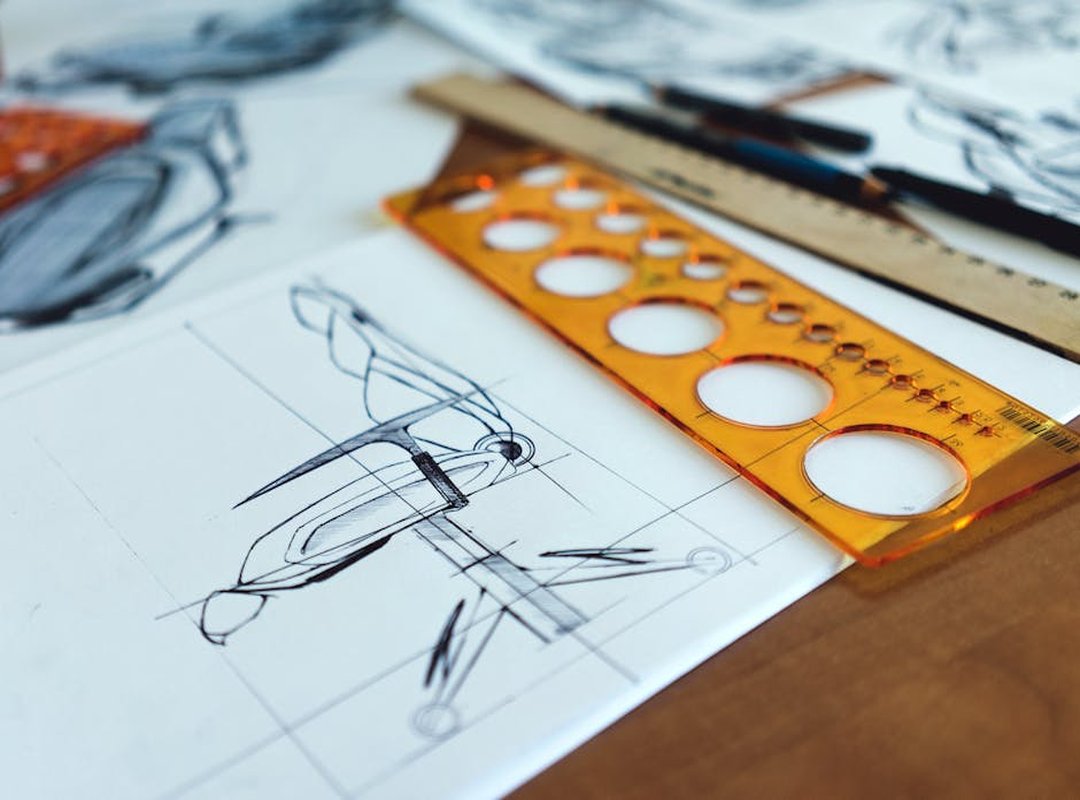
Complex shapes: Templates for more intricate designs and patterns. These templates help you tackle helpot piirustus mallit and move on to more detailed work, saving time and reducing frustration.
Human figures: Detailed templates for drawing people in various poses and styles. Whether you’re sketching a portrait or a full-body action pose, these templates provide the structure you need to get it right.
Urban and architectural: Templates for buildings, cityscapes, and detailed environments. They make it easier to create realistic and visually appealing scenes, adding depth and realism to your artwork.
These templates are designed to enhance your skills and creativity, giving you the tools to bring your artistic vision to life.
Enhance Your Artistic Skills with Drawing Templates
Using drawing templates is a fantastic way to boost your skills, whether you’re just starting out or have been drawing for years. They provide a structured approach that can help in mastering proportions and perspectives.
helpot piirustus mallit are especially useful for beginners, offering a simple and effective method to learn and practice. Experienced artists can also benefit by using them to refine their techniques or to quickly sketch ideas.
The right templates can significantly enhance your drawing experience. They not only make the process easier but also more enjoyable, allowing you to focus on creativity rather than technical details.
Explore various templates to discover which ones suit your style and needs. Experimenting with different options can lead to new inspirations and artistic growth.
 Catherine Jeanspher writes the kind of game reviews and strategies content that people actually send to each other. Not because it's flashy or controversial, but because it's the sort of thing where you read it and immediately think of three people who need to see it. Catherine has a talent for identifying the questions that a lot of people have but haven't quite figured out how to articulate yet — and then answering them properly.
They covers a lot of ground: Game Reviews and Strategies, Esports Coverage in Arcade Games, Player Stats and Achievements, and plenty of adjacent territory that doesn't always get treated with the same seriousness. The consistency across all of it is a certain kind of respect for the reader. Catherine doesn't assume people are stupid, and they doesn't assume they know everything either. They writes for someone who is genuinely trying to figure something out — because that's usually who's actually reading. That assumption shapes everything from how they structures an explanation to how much background they includes before getting to the point.
Beyond the practical stuff, there's something in Catherine's writing that reflects a real investment in the subject — not performed enthusiasm, but the kind of sustained interest that produces insight over time. They has been paying attention to game reviews and strategies long enough that they notices things a more casual observer would miss. That depth shows up in the work in ways that are hard to fake.
Catherine Jeanspher writes the kind of game reviews and strategies content that people actually send to each other. Not because it's flashy or controversial, but because it's the sort of thing where you read it and immediately think of three people who need to see it. Catherine has a talent for identifying the questions that a lot of people have but haven't quite figured out how to articulate yet — and then answering them properly.
They covers a lot of ground: Game Reviews and Strategies, Esports Coverage in Arcade Games, Player Stats and Achievements, and plenty of adjacent territory that doesn't always get treated with the same seriousness. The consistency across all of it is a certain kind of respect for the reader. Catherine doesn't assume people are stupid, and they doesn't assume they know everything either. They writes for someone who is genuinely trying to figure something out — because that's usually who's actually reading. That assumption shapes everything from how they structures an explanation to how much background they includes before getting to the point.
Beyond the practical stuff, there's something in Catherine's writing that reflects a real investment in the subject — not performed enthusiasm, but the kind of sustained interest that produces insight over time. They has been paying attention to game reviews and strategies long enough that they notices things a more casual observer would miss. That depth shows up in the work in ways that are hard to fake.