
You’re looking for the specific Arabic phrase and its meaning. I get it. It’s important to understand, especially when it comes to something as meaningful as a prayer.
This article aims to give you a clear translation, the correct Arabic script, and the spiritual context behind this important prayer (Dua).
اللهم صر المسلمين في فلسطين is a form of supplication used by Muslims worldwide. It’s a way to express solidarity and pray for help, especially during times of hardship.
I’ll make sure to break it down in a straightforward guide. You’ll be able to understand, pronounce, and even write the phrase correctly. No fluff, just what you need.
Breaking Down the Meaning: A Word-by-Word Translation
Let’s dive into the full, common English transliteration of “Allahumma unsur al-muslimin fi Filistin.”
First up, Allahumma. This is a direct and personal way of addressing God in Islam. It’s like saying “O Allah,” and it’s often used at the beginning of a supplication.
It sets the tone for a heartfelt and sincere prayer.
Next, unsur. This word can be translated as ‘grant victory to,’ ‘help,’ or ‘support.’ The root of this word implies providing aid that leads to success or relief from hardship. It’s about giving a boost when it’s needed most.
Then we have al-muslimin. This simply means ‘the Muslims.’ It refers to the collective community of Muslim people. It’s not just about individuals but the entire group.
Finally, fi Filistin. This part translates to ‘in Palestine.’ It specifies the location and the people for whom the prayer is intended. It’s clear and straightforward.
Putting it all together, the full, nuanced translation is: “O Allah, grant victory to the Muslims in Palestine” or “O Allah, help the Muslims in Palestine.”
When you say allahumma suril muslimin fi palestine, you’re making a powerful and specific plea. It’s a call for divine support and success for a community facing challenges.
The Spiritual Context: When and Why This Dua Is Recited
This phrase, allahumma suril muslimin fi palestine, is a Dua—a personal supplication in Islam. It’s different from the five daily obligatory prayers (Salah).
Dua can be recited during personal prayers. You might also hear it in congregational settings like Friday sermons (Khutbah). allahumma suril muslimin fi palestine in arabic
Especially during times of conflict or suffering for the people in Palestine, this Dua becomes more common. It’s a way to seek divine intervention and support.
The concept of the Ummah—the global Muslim community—is central here. Reciting this Dua is an important expression of solidarity and shared humanity. It connects Muslims around the world in a common cause.
For the person reciting it, this Dua carries deep emotional and spiritual significance. It’s an act of faith, hope, and a way to seek divine help in the face of injustice.
Similar prayers are often made for oppressed people in other parts of the world. This highlights a core principle of social justice in Islamic prayer. It’s about standing up for what’s right, no matter where the injustice occurs.
Reciting allahumma suril muslimin fi palestine is a powerful reminder of our shared responsibility and the strength we find in unity.
How to Write and Pronstrate the Prayer in Arabic
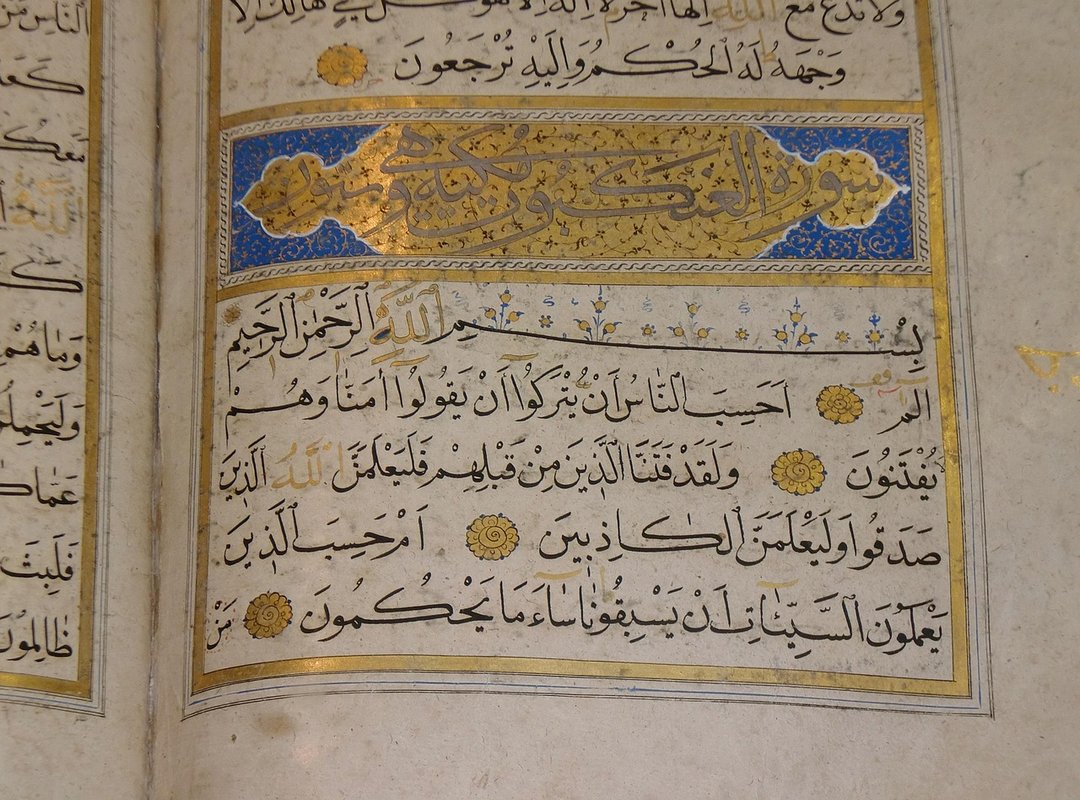
Here’s the full phrase in Arabic script: اللَّهُمَّ انْصُرِ الْمُسْلِمِينَ فِي فِلَسْطِين.
And here’s a simple US-English phonetic guide: Al-la-hoom-ma un-sur il-moos-li-meen fee Fil-as-teen.
| Arabic Word | Transliteration | Say it like… |
|---|---|---|
| اللَّهُمَّ | Al-la-hoom-ma | Al-lah-hoom-ma |
| انْصُرِ | un-sur | un-soor |
| الْمُسْلِمِينَ | il-moos-li-meen | il-moos-lee-meen |
| فِي | fee | fee |
| فِلَسْطِين | Fil-as-teen | Fil-as-teen |
While correct pronunciation is encouraged, the sincerity of the intention behind the prayer is considered most important in Islam.
allahumma suril muslimin fi palestine in arabic is a powerful way to express your support and solidarity.
A practical tip for learning is to listen to online videos of the prayer being recited by a native speaker. This can help you better grasp the intonation and rhythm.
A Prayer of Hope and Solidarity
The phrase “O Allah, help the Muslims in Palestine” is a Dua, or supplication, used by Muslims to seek divine support. allahumma suril muslimin fi palestine is the correct Arabic script for this prayer. Understanding this prayer provides insight into a deeply significant expression of faith and global solidarity within the Muslim community. The Dua serves as a powerful and peaceful tool for expressing hope and seeking divine assistance for those facing hardship.
Prayer plays a universal role in providing comfort, maintaining connection, and holding onto hope during difficult times.
 Catherine Jeanspher writes the kind of game reviews and strategies content that people actually send to each other. Not because it's flashy or controversial, but because it's the sort of thing where you read it and immediately think of three people who need to see it. Catherine has a talent for identifying the questions that a lot of people have but haven't quite figured out how to articulate yet — and then answering them properly.
They covers a lot of ground: Game Reviews and Strategies, Esports Coverage in Arcade Games, Player Stats and Achievements, and plenty of adjacent territory that doesn't always get treated with the same seriousness. The consistency across all of it is a certain kind of respect for the reader. Catherine doesn't assume people are stupid, and they doesn't assume they know everything either. They writes for someone who is genuinely trying to figure something out — because that's usually who's actually reading. That assumption shapes everything from how they structures an explanation to how much background they includes before getting to the point.
Beyond the practical stuff, there's something in Catherine's writing that reflects a real investment in the subject — not performed enthusiasm, but the kind of sustained interest that produces insight over time. They has been paying attention to game reviews and strategies long enough that they notices things a more casual observer would miss. That depth shows up in the work in ways that are hard to fake.
Catherine Jeanspher writes the kind of game reviews and strategies content that people actually send to each other. Not because it's flashy or controversial, but because it's the sort of thing where you read it and immediately think of three people who need to see it. Catherine has a talent for identifying the questions that a lot of people have but haven't quite figured out how to articulate yet — and then answering them properly.
They covers a lot of ground: Game Reviews and Strategies, Esports Coverage in Arcade Games, Player Stats and Achievements, and plenty of adjacent territory that doesn't always get treated with the same seriousness. The consistency across all of it is a certain kind of respect for the reader. Catherine doesn't assume people are stupid, and they doesn't assume they know everything either. They writes for someone who is genuinely trying to figure something out — because that's usually who's actually reading. That assumption shapes everything from how they structures an explanation to how much background they includes before getting to the point.
Beyond the practical stuff, there's something in Catherine's writing that reflects a real investment in the subject — not performed enthusiasm, but the kind of sustained interest that produces insight over time. They has been paying attention to game reviews and strategies long enough that they notices things a more casual observer would miss. That depth shows up in the work in ways that are hard to fake.