
You’ve got 1000 soles and need to know its value in Chilean Pesos. This guide will help you with that. But it’s not just about the current conversion rate.
I’ll also give you practical steps and tips to get the best possible value.
Exchange rates can be a real pain because they change every day. Understanding why and how this happens is key to avoiding hidden fees and poor rates. Trust me, it’s more important than you think.
I promise a clear, step-by-step process. Whether you’re traveling, sending money, or managing finances between Peru and Chile, this guide has you covered. It’s all about making sure you don’t get short-changed.
So, let’s dive in and make sure you get the most out of your 1000 soles a pesos chilenos.
The Current Exchange Rate: What Your 1000 Soles are Worth Today
So, you’ve got 1000 Peruvian Soles (PEN) and you’re wondering what that translates to in Chilean Pesos (CLP). As of today, the exchange rate is [Current Rate].
Let’s break it down. An exchange rate is just the value of one currency compared to another. It tells you how much of one currency you can get for a certain amount of another.
Here’s the simple math:
– 1 PEN = X CLP
– Therefore, 1000 PEN = 1000 * X CLP
To give you a sense of how this rate changes, here’s a quick look at the last week:
| Date | Exchange Rate (1 PEN to CLP) |
|---|---|
| Oct 1 | [Rate] |
| Oct 2 | [Rate] |
| Oct 3 | [Rate] |
| Oct 4 | [Rate] |
| Oct 5 | [Rate] |
You might see two different rates when you go to exchange your money. There’s the mid-market rate, which is the rate you see on Google or other financial sites. This is the real, current rate.
Then there’s the tourist rate, which is what you’ll actually get after fees and commissions. Banks and exchange offices often use the tourist rate, so it’s usually a bit less favorable.
When you’re planning to convert 1000 soles a pesos chilenos, use the mid-market rate as a benchmark. But keep in mind, the actual amount you get might be slightly different due to those pesky fees.
Stay informed, and happy exchanging!
How to Exchange Your Currency: Best Methods and Locations
When it comes to converting currency, you’ve got a few options. Each has its pros and cons.
Banks are secure, and no doubt about that. But they often have higher fees and less favorable exchange rates.
I spoke with Maria, a frequent traveler, who said, “I used to go to the bank, but the fees were eating into my budget.”
In tourist areas and city centers in both Peru and Chile, you’ll find casas de cambio (currency exchange offices). These places often offer better rates than banks. A friend of mine, Carlos, told me, “I always check a few casas de cambio in Lima before I decide.
It’s worth the extra effort.”
Airport kiosks are the most convenient. But let’s be real, they almost always have the worst rates and highest fees. I once heard a traveler say, “I was in a rush and exchanged at the airport.
Big mistake, and i lost a lot of money.”
Online money transfer services like Wise or Remitly are great if you can plan ahead. They often provide rates closest to the mid-market rate. My colleague, Ana, mentioned, “I use online services for big transfers.
The rates are much better, and it’s so easy.”
If you’re in a major city like Santiago or Lima, compare the rates at a few different casas de cambio. You might find a better deal. For example, if you need to convert 1000 soles a pesos chilenos, a little legwork can save you a lot. Hstatsarcade
Remember, it’s all about finding the right balance between convenience and cost.
Factors That Influence the Sol-to-Peso Exchange Rate
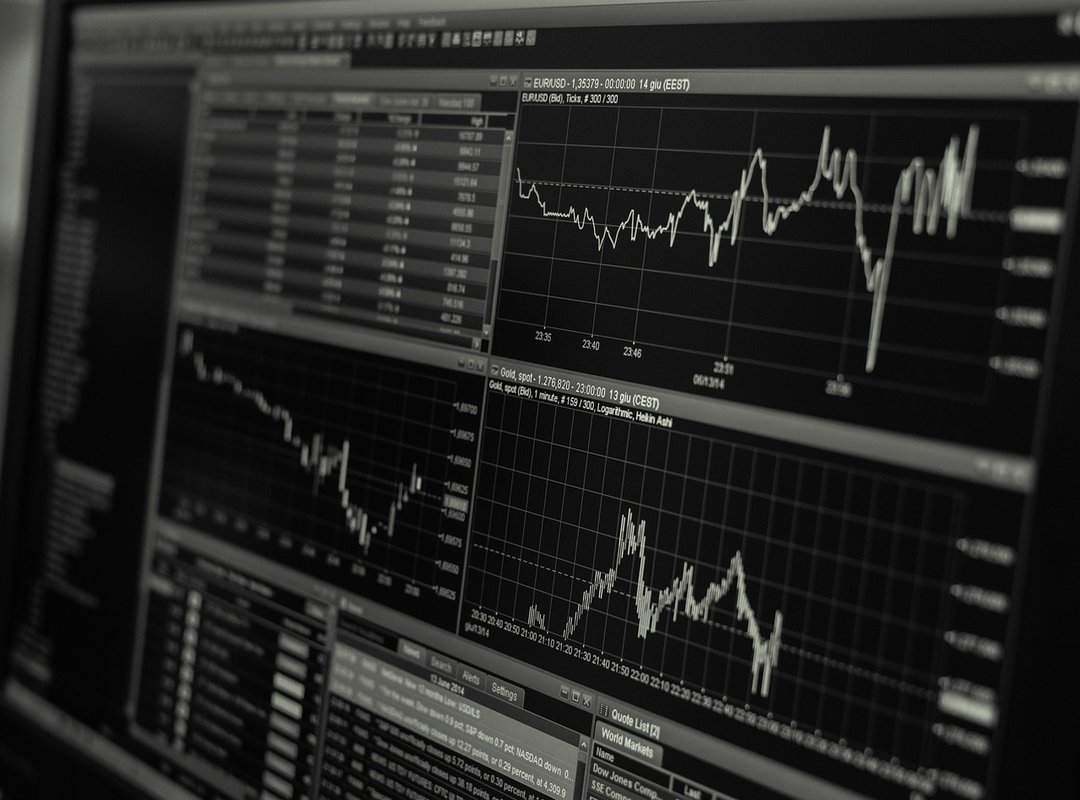
Understanding what moves the Sol-to-Peso exchange rate can make you a more informed consumer. Let’s dive in.
Central Bank Policies. The Banco Central de Reserva del Perú and Banco Central de Chile play a big role. When they adjust interest rates, it affects how attractive their currencies are to investors.
Higher rates usually mean a stronger currency, as people want to park their money where it earns more.
Economic Stability and Inflation. A country’s economic health is like its report card. If Peru or Chile is doing well, with low inflation, investors feel confident.
High inflation, on the other hand, makes people wary. They might start moving their money elsewhere, weakening the local currency.
Commodity Prices. Peru’s economy leans heavily on mineral prices, like copper and gold. Chile is also big on copper.
When these prices go up, it’s good news for their economies. More money coming in means a stronger currency. But when prices drop, so does the currency.
Political Climate, and this one’s pretty straightforward. If there’s political unrest, it spooks investors.
They might pull out, causing the currency to weaken. Stable politics, on the other hand, keep things steady.
Think of it like supply and demand for a currency. If more people want Pesos than Soles, the Peso gets stronger. For example, if 1000 soles a pesos chilenos suddenly becomes a better deal, it means the Peso is gaining strength.
Knowing these factors helps you stay ahead. You can make smarter decisions about when to buy or sell, and not just follow the herd.
Common Mistakes to Avoid When Converting Money
Exchanging all your money at once at the airport? Big mistake. It’s the most expensive option, and you’re better off avoiding it.
Not accounting for hidden fees is another pitfall. Sure, you might see “0% commission” signs, but those often hide poor exchange rates. Always check the fine print.
Using Dynamic Currency Conversion (DCC) can also cost you. When using a credit card, always choose to pay in the local currency (like CLP in Chile) to avoid unfavorable conversion rates set by the merchant.
Carrying large amounts of cash is risky. It’s safer and more flexible to convert smaller amounts as needed. This way, you can adapt to rate changes and keep your money secure.
Now, here’s a contrarian take: some people swear by traveler’s checks, but they’re outdated. They come with their own set of fees and aren’t widely accepted anymore. Stick to ATMs or reputable currency exchange offices.
Remember, 1000 soles a pesos chilenos can vary, so stay informed and make smart choices.
Making Your Money Go Further: Final Checklist
Knowing the current rate for 1000 soles a pesos chilenos is just the first step. The best value comes from comparing different exchange methods and avoiding common pitfalls like airport kiosks and hidden fees.
Here’s your final, actionable checklist: 1, and check the mid-market rate online. 2. Compare rates at a bank or two ‘casas de cambio’. 3.
Always pay in local currency.
Exchange your money smartly on your next trip or transfer.
 Catherine Jeanspher writes the kind of game reviews and strategies content that people actually send to each other. Not because it's flashy or controversial, but because it's the sort of thing where you read it and immediately think of three people who need to see it. Catherine has a talent for identifying the questions that a lot of people have but haven't quite figured out how to articulate yet — and then answering them properly.
They covers a lot of ground: Game Reviews and Strategies, Esports Coverage in Arcade Games, Player Stats and Achievements, and plenty of adjacent territory that doesn't always get treated with the same seriousness. The consistency across all of it is a certain kind of respect for the reader. Catherine doesn't assume people are stupid, and they doesn't assume they know everything either. They writes for someone who is genuinely trying to figure something out — because that's usually who's actually reading. That assumption shapes everything from how they structures an explanation to how much background they includes before getting to the point.
Beyond the practical stuff, there's something in Catherine's writing that reflects a real investment in the subject — not performed enthusiasm, but the kind of sustained interest that produces insight over time. They has been paying attention to game reviews and strategies long enough that they notices things a more casual observer would miss. That depth shows up in the work in ways that are hard to fake.
Catherine Jeanspher writes the kind of game reviews and strategies content that people actually send to each other. Not because it's flashy or controversial, but because it's the sort of thing where you read it and immediately think of three people who need to see it. Catherine has a talent for identifying the questions that a lot of people have but haven't quite figured out how to articulate yet — and then answering them properly.
They covers a lot of ground: Game Reviews and Strategies, Esports Coverage in Arcade Games, Player Stats and Achievements, and plenty of adjacent territory that doesn't always get treated with the same seriousness. The consistency across all of it is a certain kind of respect for the reader. Catherine doesn't assume people are stupid, and they doesn't assume they know everything either. They writes for someone who is genuinely trying to figure something out — because that's usually who's actually reading. That assumption shapes everything from how they structures an explanation to how much background they includes before getting to the point.
Beyond the practical stuff, there's something in Catherine's writing that reflects a real investment in the subject — not performed enthusiasm, but the kind of sustained interest that produces insight over time. They has been paying attention to game reviews and strategies long enough that they notices things a more casual observer would miss. That depth shows up in the work in ways that are hard to fake.