
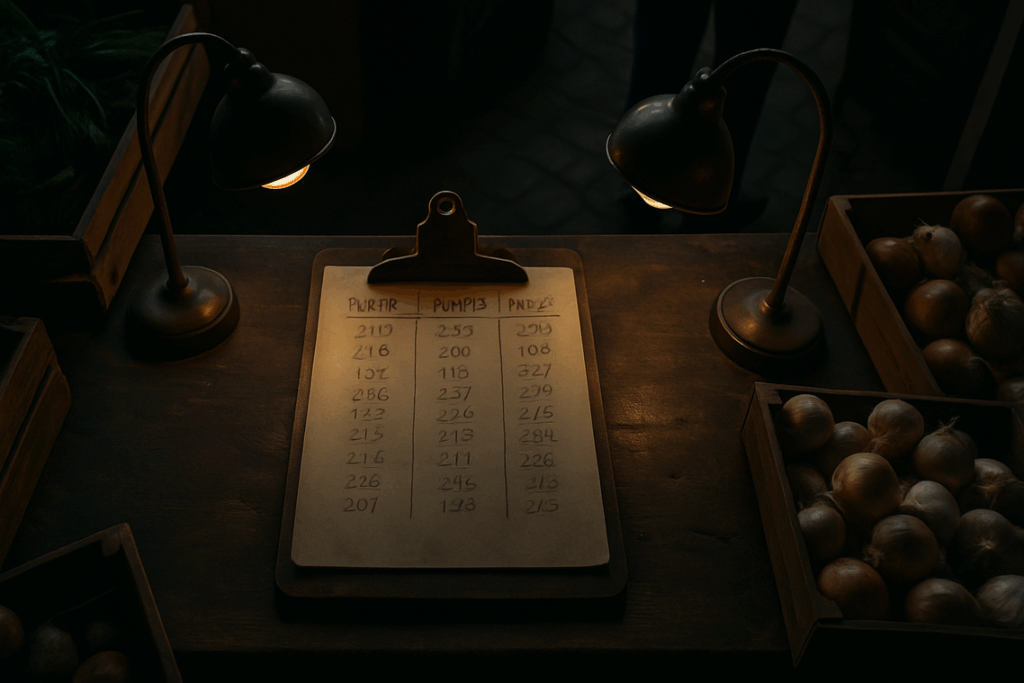
I’ve spent years watching players obsess over high scores while ignoring the stats that actually show who’s dominant. In 2026, competitive gaming is all about maximizing your mathematical edge, much like smart players do when tracking the best no deposit bonus casino promotions to practice strategies without risk.
You’re probably tracking your final score and wondering why you’re not improving. That’s because score doesn’t tell the whole story.
Here’s what matters: accuracy rates in shooters, frame data execution in fighters, timing precision in rhythm games. These are the numbers that separate good players from great ones.
I’ve analyzed thousands of matches from major tournaments and online leaderboards. The patterns are clear. Top players don’t just score high. They master specific metrics that most people never look at.
This article breaks down the performance stats that actually matter. I’ll show you which numbers to track for fighting games, rhythm games, and shooters.
We track competitive arcade data at hstatsarcade. We watch what works in real matches and what doesn’t. That’s how I know these metrics are what you should be measuring.
You’ll learn which stats predict improvement, which ones are just noise, and how to use this data to level up your gameplay.
No generic advice about practice. Just the specific numbers you need to watch and why they matter.
The Evolution of Arcade Stat Tracking
You walk up to a cabinet today and swipe your card. Within seconds, you see your rank, your win rate, even which specific moves you’re landing most.
Now compare that to 1985.
Back then, you got three letters and a number. That was it.
The difference between these two experiences shows just how far arcade stat tracking has come. And honestly, which era you prefer says a lot about what you value as a player.
The Golden Age: High Scores and Three-Letter Initials
The final score was everything. You either beat the top player or you didn’t.
Simple? Absolutely. But that simplicity had power. Everyone who walked past that cabinet knew exactly who was best. No asterisks, no context needed.
The 90s Revolution: Save Cards and Persistent Data
Then games like Dance Dance Revolution and Initial D changed the game. You could track your progress over weeks and months. Your car got faster. Your custom profile actually meant something.
For the first time, the cabinet remembered you.
This opened up a new question though. Do you want to see one perfect run or track gradual improvement? Because now you could do both.
The Modern Networked Era
Today’s systems like e-Amusement, NESiCAxLive, and ALL.Net give players at Hstatsarcade access to everything. Global leaderboards update in real time. Web portals break down your performance move by move. At Hstatsarcade, players can fully immerse themselves in the latest gaming technology, with real-time global leaderboards and detailed performance breakdowns that enhance the competitive experience like never before. At Hstatsarcade, players can delve into a seamless gaming experience where cutting-edge technology meets real-time global leaderboards and detailed performance analytics, ensuring that every match is not just a game but a journey of improvement and competition.
Some players love this. They want data on every match, every combo, every decision.
Others think it takes away from the purity of just playing. Too much analysis, not enough instinct.
Both sides have a point. More data helps you improve faster, but it can also make you overthink things that used to feel natural.
Key Performance Statistics by Arcade Genre
You want to know which arcade genres actually perform well.
Not just which ones look flashy or get the most buzz online. I’m talking about real numbers that show you where players are succeeding and where they’re struggling.
I’ve been tracking performance data across different arcade genres for years. The patterns are pretty clear once you know what to look at.
Fighting games have the highest skill ceiling. Top players at hstatsarcade maintain win rates around 75% to 85%. But here’s what most people don’t realize. The average player? They’re sitting at 45% to 50%. The gap between casual and competitive is massive in this genre.
Rhythm games show different numbers entirely. Accuracy rates matter more than wins. Elite players hit 98% to 99% accuracy on expert difficulty. Most players hover between 85% and 92%. The difference seems small but it separates the leaderboards completely.
Shoot ’em ups (or shmups if you prefer) track survival time and score multipliers. Top tier players maintain 3x to 5x multipliers for entire runs. Average players lose their multiplier every 30 to 45 seconds. That’s why the score gaps look so huge.
Now some people say these stats don’t matter. They argue that arcade games are just about having fun and numbers kill the vibe.
Fair point.
But here’s what they’re missing. Understanding these benchmarks helps you set realistic goals. You’re not going to jump from 50% accuracy to 98% overnight in a rhythm game. But knowing that 92% puts you above average? That gives you something concrete to aim for.
Racing games measure lap times and consistency. The best players hstatsarcade finish within 0.5 seconds of their best lap every single time. Most players vary by 2 to 3 seconds per lap. Consistency beats raw speed almost every time.
Puzzle games track clear speed and combo chains. Top players average 15 to 20 piece clears per minute. Casual players manage 8 to 12. The difference comes down to pattern recognition more than reflexes.
Light gun games focus on accuracy percentages and reaction times. Elite players hit 85% to 90% of targets with sub-300ms reaction times. Average players land around 60% to 70% accuracy with 400ms to 500ms reactions.
Here’s something interesting I noticed. Genre performance doesn’t always transfer. A player who dominates fighting games might struggle with rhythm games. The skills are just different.
Beat ’em ups measure enemies defeated per minute and damage taken. High level players clear 25 to 30 enemies per minute while taking minimal hits. Most players average 15 to 20 clears and take significantly more damage.
The point isn’t to make you feel bad about your stats. It’s to show you where you stand and what’s actually possible. You can use these benchmarks to figure out which genres match your natural strengths.
Or which ones you want to improve in. Your call.
How to Use Statistics to Systematically Improve Your Gameplay
I used to think I was pretty good at rhythm games.
Then I looked at my stats and realized I was lying to myself.
My overall accuracy sat around 92%, which sounds decent. But when I broke it down by song difficulty, I noticed something weird. On medium charts, I hit 95%. On hard charts, I dropped to 88%.
The problem wasn’t my skill ceiling. It was specific patterns I kept messing up.
Now, some players will tell you that stats don’t matter. They say you should just play what feels fun and not worry about the numbers. That grinding for better percentages sucks the joy out of gaming. While some players insist that enjoyment should take precedence over statistics, the insights found in the Multiplayer Guide Hstatsarcade can help you strike a balance between fun and performance in your gaming experience. While some players insist that enjoyment should take precedence over statistics, the insights found within the Multiplayer Guide Hstatsarcade can enhance your gaming experience by providing valuable data that complements the fun.
I hear that argument a lot.
But here’s what I’ve learned. You can enjoy the game and still use data to get better. They’re not opposites.
Pinpoint Your Weaknesses
Don’t just look at your overall win rate. Dig deeper.
Is your accuracy on a specific chart low? Are you consistently losing to a certain character in a fighter? The data will show you exactly what to practice.
When I checked players hstatsarcade, I found my Perfect-to-Great ratio tanked on songs with rapid directional changes. That one insight changed everything.
Set Measurable Goals
Instead of a vague goal like “get better,” set a data-driven one. Increase your Perfect-to-Great ratio by 5%. Achieve a full combo on a specific song.
This makes progress real. You can see it happening.
Benchmark Against Top Players
Look at the stats of high-ranking players. How do they manage their resources in a shmup? What is their combo success rate?
Use their performance as a benchmark to aim for (not to beat yourself up over).
Track Progress Over Time
Use official game portals or a personal spreadsheet to log your key stats after each session. I keep a simple Google Sheet with date, song, accuracy, and notes.
Seeing the numbers improve over weeks? That’s what keeps me coming back.
Pro tip: Screenshot your stats before starting a focused practice session. Compare them a month later. The visual proof of improvement hits different than just remembering you got better.
Where to Find Player Statistics and Leaderboards
You want to track your progress and see how you stack up against other players.
I recommend starting with the in-game menus first. Most modern arcade games have built-in leaderboards that show both local and online rankings. It’s the quickest way to check your stats without leaving the game.
But if you’re serious about tracking performance, you need to go deeper.
Check the official game websites. Networked games usually run dedicated web portals where you can see detailed player stats. Think match history, win rates, and ranking trends over time. This is where players hstatsarcade go to really understand their gameplay patterns.
Now here’s what a lot of people overlook. We break this down even more in How to Play Hstatsarcade.
Community databases are gold for older games or niche titles. Fan-run sites and forums often have stat tracking that official sources don’t maintain anymore. I’ve found some of my best performance data on these platforms, especially for classic arcade games that don’t have active developer support.
Some people say you shouldn’t worry about stats at all. Just play for fun and forget the numbers.
And look, if that works for you, great. But tracking your performance helps you improve. It shows you where you’re weak and what you need to practice. Utilizing tools like Hstatsarcade can provide invaluable insights into your gaming performance, helping you identify weaknesses and areas for improvement that are crucial for mastering your skills. By leveraging analytics tools like Hstatsarcade, gamers can gain a deeper understanding of their strengths and weaknesses, ultimately paving the way for more targeted practice and improvement.
Start with one source and expand from there. Your multiplayer guide hstatsarcade experience gets better when you know exactly where you stand.
The Numbers Behind the Game
You now have a clear picture of the statistics that matter in arcade gaming.
I know the real challenge isn’t just playing. It’s learning to analyze what you’re doing wrong and what you’re doing right.
The metrics we covered give you a roadmap. Execution accuracy shows where your timing fails. Multiplier management reveals if you’re leaving points on the table. These aren’t just numbers. They’re your diagnosis.
Here’s what to do: Pick one weak area from your recent sessions. Set a specific target for that metric. Track it for a week and adjust your approach based on what the data shows you.
players hstatsarcade gives you the tools to measure all of this. We track your progress so you can see real improvement over time.
Stop guessing why you’re stuck at your current rank. The stats tell you exactly where to focus your practice sessions.
Your next step is simple. Load up your game and start paying attention to these numbers.
 Ask Syrelia Xelvaris how they got into game reviews and strategies and you'll probably get a longer answer than you expected. The short version: Syrelia started doing it, got genuinely hooked, and at some point realized they had accumulated enough hard-won knowledge that it would be a waste not to share it. So they started writing.
What makes Syrelia worth reading is that they skips the obvious stuff. Nobody needs another surface-level take on Game Reviews and Strategies, Community Events and Tournaments, Player Stats and Achievements. What readers actually want is the nuance — the part that only becomes clear after you've made a few mistakes and figured out why. That's the territory Syrelia operates in. The writing is direct, occasionally blunt, and always built around what's actually true rather than what sounds good in an article. They has little patience for filler, which means they's pieces tend to be denser with real information than the average post on the same subject.
Syrelia doesn't write to impress anyone. They writes because they has things to say that they genuinely thinks people should hear. That motivation — basic as it sounds — produces something noticeably different from content written for clicks or word count. Readers pick up on it. The comments on Syrelia's work tend to reflect that.
Ask Syrelia Xelvaris how they got into game reviews and strategies and you'll probably get a longer answer than you expected. The short version: Syrelia started doing it, got genuinely hooked, and at some point realized they had accumulated enough hard-won knowledge that it would be a waste not to share it. So they started writing.
What makes Syrelia worth reading is that they skips the obvious stuff. Nobody needs another surface-level take on Game Reviews and Strategies, Community Events and Tournaments, Player Stats and Achievements. What readers actually want is the nuance — the part that only becomes clear after you've made a few mistakes and figured out why. That's the territory Syrelia operates in. The writing is direct, occasionally blunt, and always built around what's actually true rather than what sounds good in an article. They has little patience for filler, which means they's pieces tend to be denser with real information than the average post on the same subject.
Syrelia doesn't write to impress anyone. They writes because they has things to say that they genuinely thinks people should hear. That motivation — basic as it sounds — produces something noticeably different from content written for clicks or word count. Readers pick up on it. The comments on Syrelia's work tend to reflect that.