
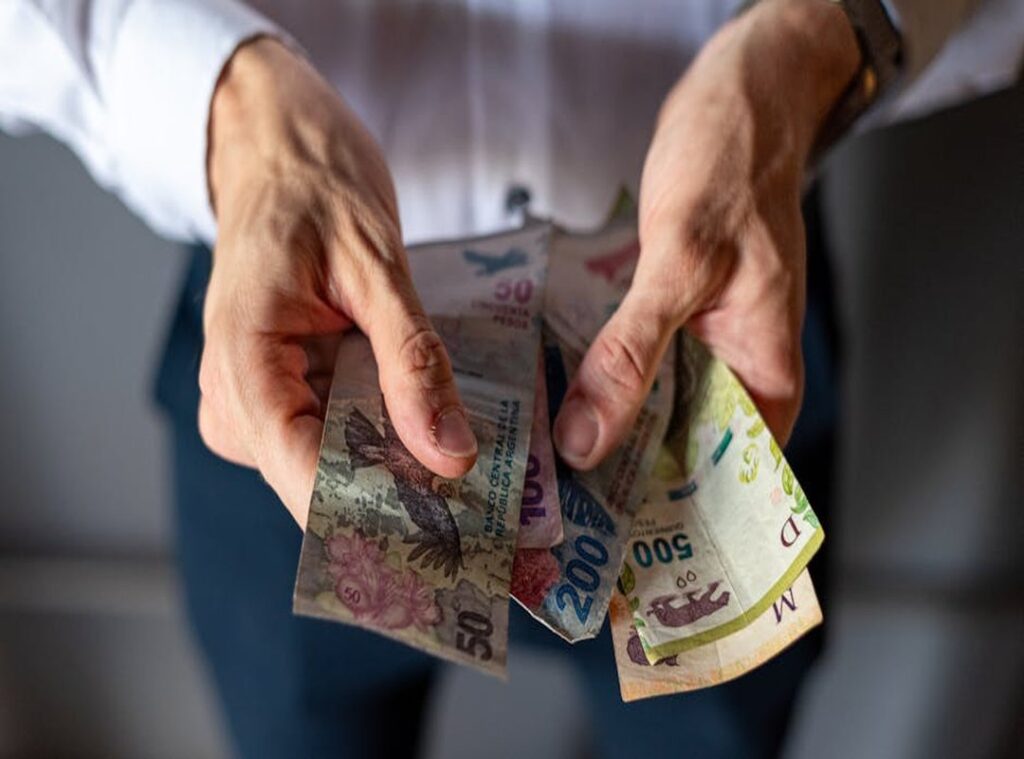
Converting 50 mil pesos chilenos a pesos colombianos can be a bit tricky. I get it, exchange rates and currency conversions aren’t the most exciting topics. But stick with me.
This guide will walk you through the process step by step.
You might be wondering, why should you trust this? Well, I’ve done my homework. I’ll give you the most up-to-date information and practical tips to make this as easy as possible.
By the end, you’ll understand exactly how to convert 50 mil pesos chilenos a pesos colombianos. And you’ll have the latest, most accurate exchange rates. No more confusion.
Let’s dive in.
Understanding the Currencies
Pesos Chilenos (CLP): The Chilean peso has been around since 1975. It’s used for everyday transactions in Chile, from buying groceries to paying bills.
Pesos Colombianos (COP): The Colombian peso, on the other hand, has a longer history, dating back to 1837. It’s also widely used in daily transactions across Colombia.
Both currencies have their unique quirks and values. For instance, 50 mil pesos chilenos a pesos colombianos can vary significantly based on the current exchange rate.
Understanding these differences is key if you’re traveling or doing business in either country.
It’s not just about the numbers; it’s about knowing how each currency fits into the local economy and culture.
Current Exchange Rates
Let’s get to it. The most recent exchange rate from CLP to COP is what you need to know first. (I’ll keep it simple, no fancy jargon.)
- Real-Time Data: As of the latest update, 50 mil pesos chilenos a pesos colombianos will give you a specific amount in Colombian pesos. (Exact rates can vary, so always check the latest data.)
Now, let’s talk about how things have been moving over the past year.
- Historical Context: Over the last 12 months, the exchange rate between Chilean and Colombian pesos has seen some ups and downs. Sometimes, it’s been more favorable for converting one currency to the other, and at other times, not so much. (It’s like a rollercoaster, but with money.)
Understanding these fluctuations can help you make better decisions when you’re planning to convert or invest.
Calculating the Conversion
Converting 50 millones de pesos chilenos to pesos colombianos can seem tricky, but it’s straightforward once you know the steps. First, find the current exchange rate between the Chilean peso (CLP) and the Colombian peso (COP).
Next, multiply the amount in CLP by the exchange rate. For example, if the current rate is 1 CLP = 0.002 COP, you’d calculate it like this:
50,000,000 CLP * 0.002 COP/CLP = 100,000 COP.
So, 50 mil pesos chilenos a pesos colombianos would be 100,000 COP.
Always double-check the latest exchange rate, as it can fluctuate. This ensures your conversion is as accurate as possible.
Online Tools and Resources

When it comes to quick and accurate currency conversions, online tools are a must. Some people might argue that using these tools is unnecessary if you have a good grasp of exchange rates. But let’s be real, who has the time to memorize all that?
XE and OANDA are top picks for me. They’re reliable and user-friendly. XE offers live rates and even historical data, which can be super helpful.
OANDA is known for its precision and is used by many financial institutions.
Mobile apps are another game-changer. Xe Currency and Currency Converter Plus are my go-to apps. They provide real-time updates and can work offline, which is a huge plus when you’re traveling.
Some folks might say, “Why not just use a calculator?” Well, calculators don’t give you the latest rates, and they definitely won’t convert 50 mil pesos chilenos a pesos colombianos in seconds. Trust me, these apps save you a lot of hassle.
Pro tip: Always cross-check with at least two different tools to ensure accuracy. It’s better to be safe than sorry, especially when dealing with large amounts.
Oh, and if you’re into gaming, check out industry shifts how indie developers reshaping arcades. It’s a whole other world of innovation and change.
Factors Affecting Exchange Rates
Economic indicators play a big role in how exchange rates move. Take inflation, for example. When a country’s inflation rate goes up, its currency tends to weaken.
People start to worry that their money won’t buy as much, so they might look for other currencies.
Interest rates are another key factor. Higher interest rates can attract foreign investors, which increases demand for the currency and makes it stronger. On the flip side, if rates are too low, investors might pull out, weakening the currency.
Trade balances matter too. If a country imports more than it exports, it can lead to a trade deficit. This often means the country needs more foreign currency, which can devalue its own.
Understanding these factors helps you make better financial decisions.
Now, let’s talk about political factors. Political events and stability can really shake things up. Elections, policy changes, and even international conflicts can cause a lot of volatility.
Investors tend to prefer stable environments, so any hint of instability can make a currency drop.
Knowing this, you can stay ahead of the game. For instance, if you’re planning to convert 50 mil pesos chilenos a pesos colombianos, being aware of these factors can help you pick the right time to get the best rate. That’s the kind of advantage you want.
Practical Tips for Currency Conversion
When it comes to converting currencies, timing is everything. You want to get the best rates possible.
Some people argue that you should just convert when you need the money and not worry about the rates. But that’s a mistake. Rates can fluctuate significantly, and a little patience can save you a lot.
| Currency | Rate |
|---|---|
| Chilean Peso (CLP) | COP |
To get the best rates, check multiple sources like banks, online converters, and currency exchange apps. Compare them to see where you get the most bang for your buck.
Avoiding fees is another big deal. Some places charge hefty fees for conversions. Look for providers with low or no fees.
Some folks might say, “Fees are inevitable, so why bother?” Well, those small fees add up, especially if you’re converting large amounts. For example, 50 mil pesos chilenos a pesos colombianos could end up costing you more than you think in fees.
Another tip: Use your credit card wisely. Many cards offer zero foreign transaction fees. Just make sure to check with your bank first.
Lastly, consider using peer-to-peer transfer services. They often have better rates and lower fees compared to traditional banks. It’s worth checking out.
By following these tips, you can maximize the value of your currency conversion and keep more of your hard-earned cash.
Mastering the Art of Currency Conversion
When converting 50 mil pesos chilenos a pesos colombianos, it’s crucial to use the most current exchange rates. Reliable online tools and financial services can provide these rates, ensuring accuracy in your conversion. Economic and political factors can significantly affect currency values, so staying informed is key to making the best financial decisions.
 Catherine Jeanspher writes the kind of game reviews and strategies content that people actually send to each other. Not because it's flashy or controversial, but because it's the sort of thing where you read it and immediately think of three people who need to see it. Catherine has a talent for identifying the questions that a lot of people have but haven't quite figured out how to articulate yet — and then answering them properly.
They covers a lot of ground: Game Reviews and Strategies, Esports Coverage in Arcade Games, Player Stats and Achievements, and plenty of adjacent territory that doesn't always get treated with the same seriousness. The consistency across all of it is a certain kind of respect for the reader. Catherine doesn't assume people are stupid, and they doesn't assume they know everything either. They writes for someone who is genuinely trying to figure something out — because that's usually who's actually reading. That assumption shapes everything from how they structures an explanation to how much background they includes before getting to the point.
Beyond the practical stuff, there's something in Catherine's writing that reflects a real investment in the subject — not performed enthusiasm, but the kind of sustained interest that produces insight over time. They has been paying attention to game reviews and strategies long enough that they notices things a more casual observer would miss. That depth shows up in the work in ways that are hard to fake.
Catherine Jeanspher writes the kind of game reviews and strategies content that people actually send to each other. Not because it's flashy or controversial, but because it's the sort of thing where you read it and immediately think of three people who need to see it. Catherine has a talent for identifying the questions that a lot of people have but haven't quite figured out how to articulate yet — and then answering them properly.
They covers a lot of ground: Game Reviews and Strategies, Esports Coverage in Arcade Games, Player Stats and Achievements, and plenty of adjacent territory that doesn't always get treated with the same seriousness. The consistency across all of it is a certain kind of respect for the reader. Catherine doesn't assume people are stupid, and they doesn't assume they know everything either. They writes for someone who is genuinely trying to figure something out — because that's usually who's actually reading. That assumption shapes everything from how they structures an explanation to how much background they includes before getting to the point.
Beyond the practical stuff, there's something in Catherine's writing that reflects a real investment in the subject — not performed enthusiasm, but the kind of sustained interest that produces insight over time. They has been paying attention to game reviews and strategies long enough that they notices things a more casual observer would miss. That depth shows up in the work in ways that are hard to fake.